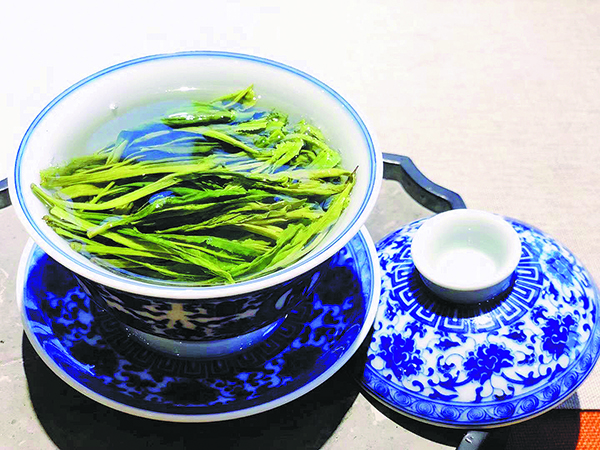
Classic of Tea
Introduction
The Classic of Tea, authored by Lu Yu in the Tang Dynasty (618-907), is revered as the first monograph dedicated to tea, offering comprehensive insights into the cultivation, preparation, and consumption of tea. This seminal work not only marks the transition of tea from a medicinal herb to a vital cultural element but also influenced tea culture, philosophy, and literature globally.
Historical Background
Tea’s history in China traces back to ancient times, originally consumed for medicinal purposes as documented as early as the Zhou Dynasty. The practice evolved through the centuries, gaining prominence during the Tang Dynasty when tea culture began flourishing. Lu Yu, often referred to as the Sage of Tea, compiled the "Classic of Tea" during this period, effectively documenting the intricate rituals and philosophies surrounding tea. The treatise reflects the high cultural regard for tea in Tang society, a time when the beverage became integral to social and spiritual life.
Structure and Content
The "Classic of Tea" is meticulously structured, offering a detailed exploration of tea from its cultivation to its consumption. It is divided into several chapters, each focusing on a specific aspect of tea.
Chapters
-
Origin and Planting: This section details the history of tea and its cultivation methods, emphasizing the importance of selecting the right environment for growing tea.
-
Tools and Equipment: Lu Yu describes the various tools necessary for tea preparation, underscoring the significance of each in enhancing the tea’s flavor and aroma.
-
Processing: The treatise elaborates on the methods of processing tea leaves, highlighting the techniques to preserve their natural flavors and aromas.
-
Preparation: This chapter is dedicated to the art of brewing tea, outlining the steps to ensure the perfect infusion.
-
Drinking Customs: Lu Yu examines the cultural practices associated with tea consumption, illustrating its role in Chinese society.
Themes
The treatise encapsulates several themes central to tea culture, such as the harmony between nature and humanity, the simplicity and elegance of tea preparation, and the introspective and meditative qualities of tea consumption. It also reflects on tea as a symbol of social status and intellectual refinement.
Significance and Impact
The "Classic of Tea" has had a profound influence on tea culture and beyond, shaping the way tea is perceived and consumed globally.
The treatise established tea as a cultural and spiritual activity, influencing the development of tea ceremonies in China, which later inspired similar traditions in Japan and other countries. The emphasis on the aesthetics and rituals of tea drinking underscored tea’s role in promoting social harmony and intellectual discourse.
Lu Yu's work is an essential contribution to Chinese literature and philosophy, offering a window into the cultural and intellectual currents of the Tang Dynasty. The "Classic of Tea" is not merely a practical guide but a philosophical treatise that explores themes of simplicity, harmony, and reflection, resonating with the values of Taoism and Confucianism.
Legacy
The "Classic of Tea" has inspired numerous adaptations across various media, including literature, art, and film. Its principles and aesthetics have been referenced in cultural and educational contexts, ensuring its relevance in both academic and popular culture.
The "Classic of Tea" by Lu Yu remains an unparalleled guide to the art and philosophy of tea. Its comprehensive exploration of tea culture has transcended time, influencing not only tea practices but also broader cultural and philosophical discourses. As tea continues to be a symbol of cultural identity and social connection, the treatise stands as a testament to the enduring significance of tea in human civilization.








